
Nestled in the transitional zone between the Sichuan Basin and the Tibetan Plateau, Mount Siguniang—aptly named the “Four Sisters Mountain”—stands as a testament to nature’s raw power and poetic grace. Comprising four snow-capped peaks ascending to 6,250 meters, this UNESCO World Heritage site in Sichuan’s Ngawa Prefecture is more than a geological marvel; it is a sanctuary where myths, wilderness, and human ambition converge, offering visitors a wellspring of inspiration and resilience.
A Realm of Myth and Majesty
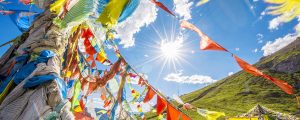
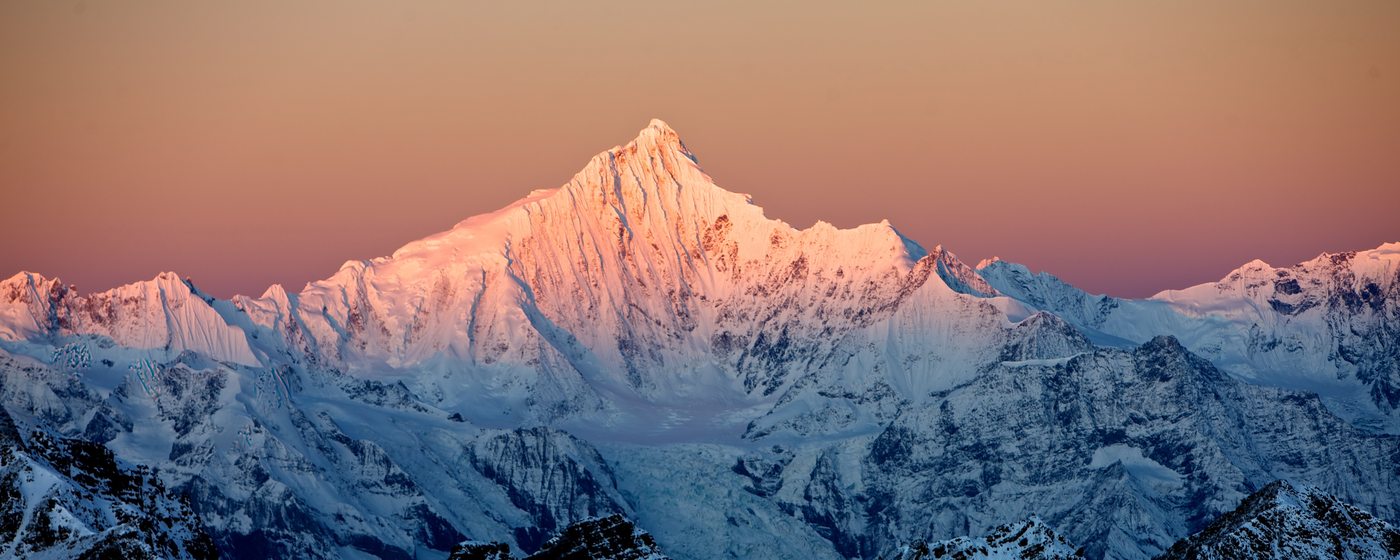
The mountains derive their name from a centuries-old Tibetan legend: four sisters who sacrificed themselves to halt a demonic flood, their bodies solidifying into eternal peaks. Today, the peaks—Daguniang (5,025m), Erguniang (5,276m), Sanguniang (5,355m), and the crown jewel Yaomei Feng (6,250m)—loom like sentinels, their glaciers shimmering like armor. Locals revere them as “Skub La,” guardian deities, and annually honor them at the Tsongkhapa Festival, where 煨桑烟雾 (prayer smoke) and fluttering lungta (wind horses) bridge the spiritual and the earthly.
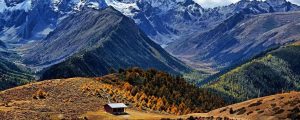
This mythology is mirrored in the landscape. The “Three Valleys”—Shuangqiao (Double Bridge), Changping (Long Peace), and Haizi (Lake)—unfold like chapters of a saga. Shuangqiao Valley, with its shuttle-accessible trails, reveals rainbow-hued cliffs (Wuse Mountain) and ancient red 杉 forests, while Changping Valley blends alpine meadows with Tibetan villages, inviting horseback treks beneath the sisters’ gaze. Haizi Valley, a wilderland of glacial lakes and 雪莲 (snow lotuses), whispers of untouched wilderness—a place where every step feels like a dialogue with the earth.
Where Challenges Forge Resilience
Mount Siguniang is a playground for adventurers, but also a classroom of perseverance. Novice climbers cut their teeth on Daguniang, a trekking peak offering panoramic sunrises at 5,025m, while Erguniang and Sanguniang demand technical skill, icy scrambles teaching humility and grit. Yaomei Feng, however, is a legend of its own—only 140 climbers have summited since 1981, its sheer granite walls and unpredictable storms testing even the boldest. Yet, it is this adversity that draws seekers: the struggle to ascend mirrors life’s challenges, each breath at altitude a reminder of human tenacity.
“Its slopes don’t just demand physical strength—they ask you to confront your limits,” says American climber Chad Kellogg, who pioneered the southwest ridge in 2008. “Reaching the top isn’t triumph over the mountain; it’s harmony with it.”
Nature’s Cathedral of Renewal
Beyond adventure, the mountains heal. The 560-square-kilometer reserve shelters 2,000 plant species—from endangered Sichuan red 杉 to alpine poppies—and rare wildlife like snow leopards and golden snub-nosed monkeys. In Changping Valley’s “Dead Tree Beach,” where petrified logs stand sentinel in emerald waters, visitors find quiet awe; in Haizi Valley’s alpine lakes, reflections of the peaks dissolve worries into stillness. For many, the rhythm of glacial meltwater or the scent of juniper forests becomes a meditation, reconnecting them to a world larger than their own.
Local Tibetans embody this bond. Their centuries-old practice of sustainable herding and sacred pilgrimages remind visitors that humanity is but a thread in nature’s tapestry. “The mountains teach us to listen,” says Tsering, a 向导 (guide) in Rilong Town. “When you walk their trails, you hear your own heart clearer.”
Legacy of the Sisters
Mount Siguniang’s magic lies in its duality: it is both a fortress of ice and a cradle of life. Whether through the legend of selfless sisterhood, the challenge of climbing its slopes, or the quiet solace of its valleys, the mountains inspire a profound truth—resilience is not about 征服 (conquest), but connection. Here, the earth’s grandeur whispers that even in stillness, there is power: the power to endure, to hope, and to find one’s place in the 永恒 (eternal).
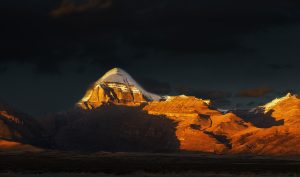
As the sun sets over Yaomei Feng, bathing the peaks in amber light, it’s easy to see why this place is more than a destination—it’s a muse. For every traveler, climber, or dreamer who ventures here, Mount Siguniang offers the same timeless lesson: in nature’s embrace, we rediscover the strength to rise.